
What it is
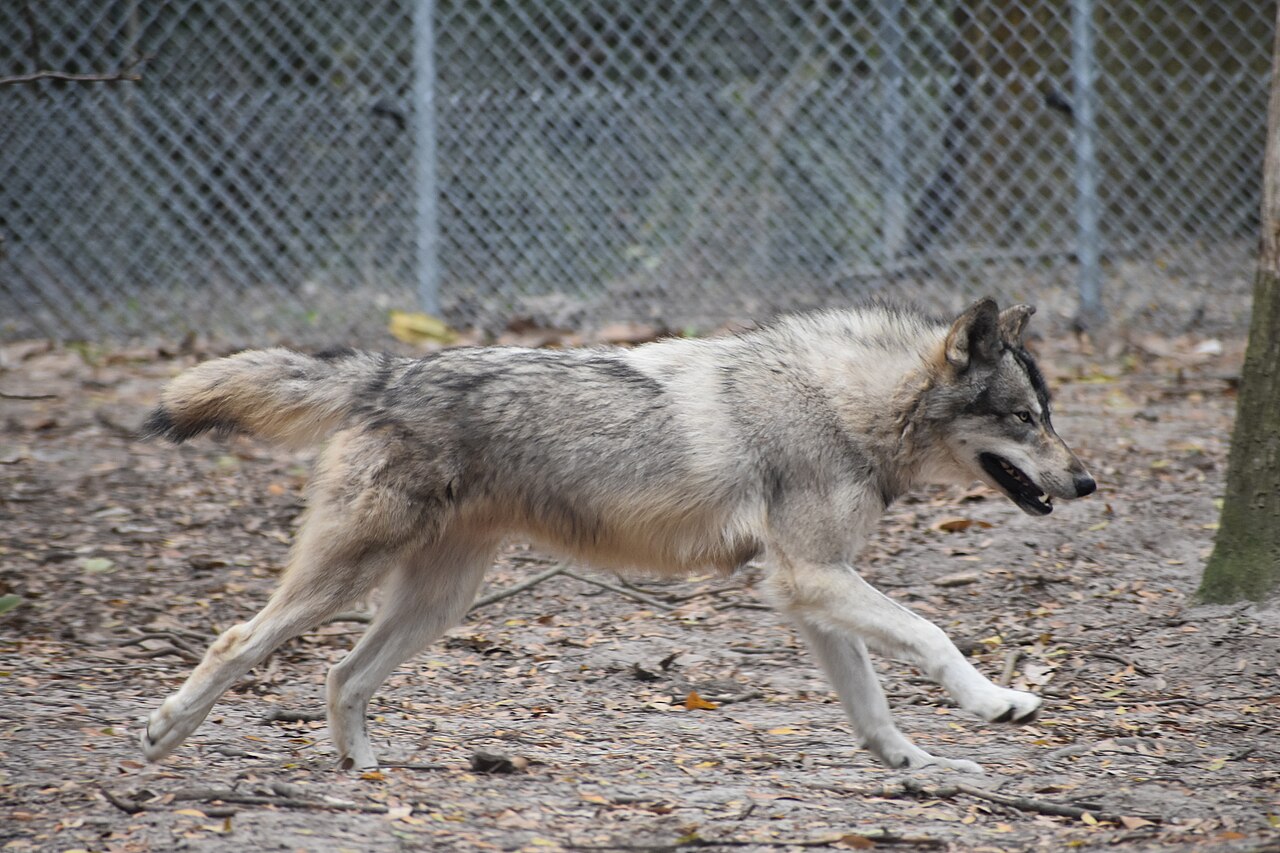
The gray wolf is a large social canid and the wild ancestor of the domestic dog. Packs hunt ungulates and also take smaller prey. Globally the species is listed as Least Concern because large numbers remain in Canada, Russia, and Central Asia.
Range
Historically most of the Northern Hemisphere. Today the strongholds are boreal and steppe Asia, Canada, and Alaska, with recovering fragments in Europe and a few reintroduction areas in the contiguous United States and Mexico.
What happened
In the last few centuries people shot, poisoned, and trapped wolves as livestock enemies. They disappeared from most of Western Europe and from almost all of the contiguous United States by the early 1900s. Legal protection and reintroductions (Yellowstone, the northern Rockies, parts of Europe) have brought some populations back. The Holocene picture — wolves across temperate forests and plains — is still only partly restored.
When / status
Still here. Range and numbers contracted sharply under persecution, then rose again where hunting was limited.
Human role
Deliberate killing and habitat loss removed wolves from settled landscapes; later law and reintroduction put some of them back.
Sources
IUCN Red List (Canis lupus, Least Concern); recovery reviews for Europe and North America.